Grants for Individuals: Find Personal Grants and Financial Assistance Opportunities
Discover Personal Grants That Help Individuals Achieve Financial Stability
Grants for individuals provide valuable financial support for people seeking assistance with education, housing, medical expenses, career development, and personal growth. Unlike loans, grants do not need to be repaid, making them one of the most effective ways to access funding without taking on debt.
While many grant programs are awarded to organizations, there are still numerous opportunities available for individuals through government programs, private foundations, and community organizations. These grants are designed to support people facing financial hardship, pursuing education, or working toward personal and professional goals.
At The Grant Portal, individuals can explore a wide range of verified funding opportunities tailored to their specific needs and circumstances.
What Are Grants for Individuals?
Grants for individuals are financial awards provided by government agencies, nonprofits, and private organizations to help cover specific expenses or support defined goals. These funds are typically awarded based on eligibility criteria such as income level, career objectives, or personal circumstances.
Unlike loans, grants do not require repayment, which makes them a preferred funding option for many people. However, grants are competitive and often limited in availability, requiring applicants to meet strict guidelines and submit detailed applications. ()
Many individual grants are intended for targeted purposes such as education, housing assistance, or emergency relief. In some cases, grants may also be awarded as scholarships, fellowships, or awards to support skill development or achievement. ()
Types of Grants Available for Individuals
There are several types of personal grants available, each designed to meet different needs and life situations.
Education Grants and Scholarships
Education grants help students pay for college, vocational training, or certification programs. Programs such as federal Pell Grants and other financial aid options are designed to support individuals pursuing higher education.
Housing and Financial Assistance Grants
Housing grants help individuals cover rent, home repairs, or utility costs. Some programs are designed specifically for low- to moderate-income individuals to ensure safe and stable living conditions. ()
Hardship and Emergency Grants
Emergency grants provide financial relief during unexpected situations such as medical emergencies, natural disasters, or sudden loss of income. These grants are often distributed through nonprofit organizations or private foundations.
Career Development and Training Grants
Career-related grants support job training, workforce development, and skill-building programs. These grants are designed to help individuals improve employability and increase earning potential.
Grants for Specific Groups
Certain grants are targeted toward specific populations, including:
These specialized grants help ensure that funding reaches underserved or underrepresented communities.
Who Qualifies for Individual Grants?
Eligibility for grants varies depending on the program, but most require applicants to meet specific criteria. These may include:
Income level or financial need
Educational status or career goals
Residency or geographic location
Membership in a targeted group or community
A clearly defined purpose for the funding
It is important to understand that most federal grant funding is awarded to organizations rather than individuals, although some programs and benefits do provide direct support to people in specific situations. ()
Because eligibility requirements differ widely, individuals should carefully review each opportunity before applying.
How to Apply for Grants for Individuals
Applying for personal grants requires preparation and attention to detail. Following a structured approach can significantly improve your chances of receiving funding.
Identify the Right Opportunities
Focus on grants that align with your personal needs, goals, and qualifications. Applying to relevant programs increases your likelihood of approval.
Gather Required Documentation
Most applications require supporting documents such as:
Proof of income
Identification and residency verification
Educational records or enrollment status
A written statement or proposal
Submit a Strong Application
Clearly explain your situation, how the funds will be used, and the expected impact. Strong applications are specific, honest, and aligned with the grant provider’s mission.
Apply Early and Often
Many grants have deadlines and limited funding. Submitting applications early and applying to multiple programs can improve your chances of success.
Common Uses for Personal Grants
Grants for individuals can be used for a wide range of purposes, including:
Paying for college tuition or training programs
Covering rent, utilities, or housing repairs
Funding medical or healthcare expenses
Supporting career transitions or job training
Assisting with childcare or family needs
Some smaller programs, often referred to as microgrants, provide modest funding to help individuals start projects, improve skills, or address immediate financial challenges. ()
Grants vs Loans: Understanding the Difference
When seeking financial assistance, individuals often compare grants and loans.
Grants do not require repayment and are typically awarded based on need or merit. However, they are competitive and may take longer to obtain.
Loans, on the other hand, must be repaid with interest but are generally easier to access and provide faster funding.
For individuals looking to avoid debt, grants are often the preferred option, even though the application process may be more involved.
Tips to Increase Your Chances of Getting a Grant
Securing a grant can be competitive, but the following strategies can improve your chances:
Carefully follow all application instructions
Apply only to grants you qualify for
Provide complete and accurate documentation
Clearly explain your financial need or goals
Avoid scams or services that promise “free money”
Legitimate grants do not require upfront fees, and applicants should be cautious of offers that seem too good to be true.
Why Use The Grant Portal?
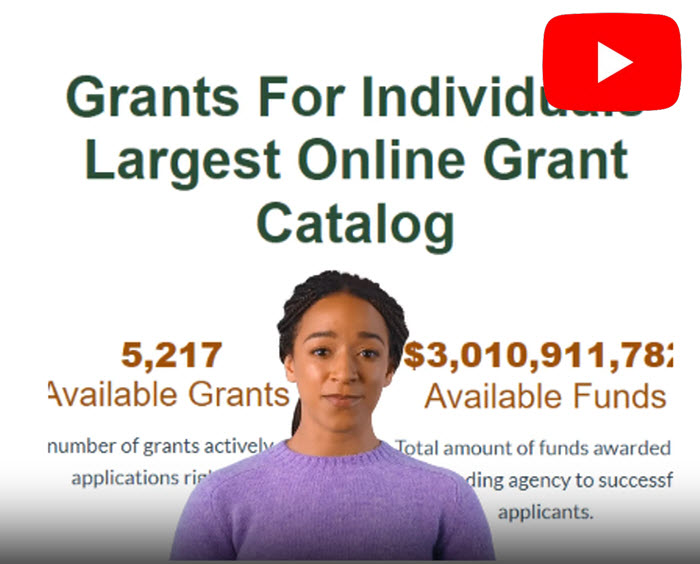
The Grant Portal provides individuals with access to a comprehensive database of grant opportunities from across the United States. Instead of searching multiple websites, users can find relevant funding options in one centralized location.
Key benefits include:
Access to thousands of active grant opportunities
Daily updates on new funding programs
Grants for education, housing, personal needs, and more
Easy search and filtering tools
The platform is designed to simplify the process of finding and applying for grants, helping individuals connect with the funding they need.
Start Finding Grants for Individuals Today
Whether you are seeking support for education, financial hardship, or personal development, grants can provide the resources needed to move forward without taking on debt. By understanding the types of grants available and applying strategically, individuals can unlock valuable funding opportunities.
Explore available grants for individuals today and take the next step toward financial stability and personal success.
More >>